

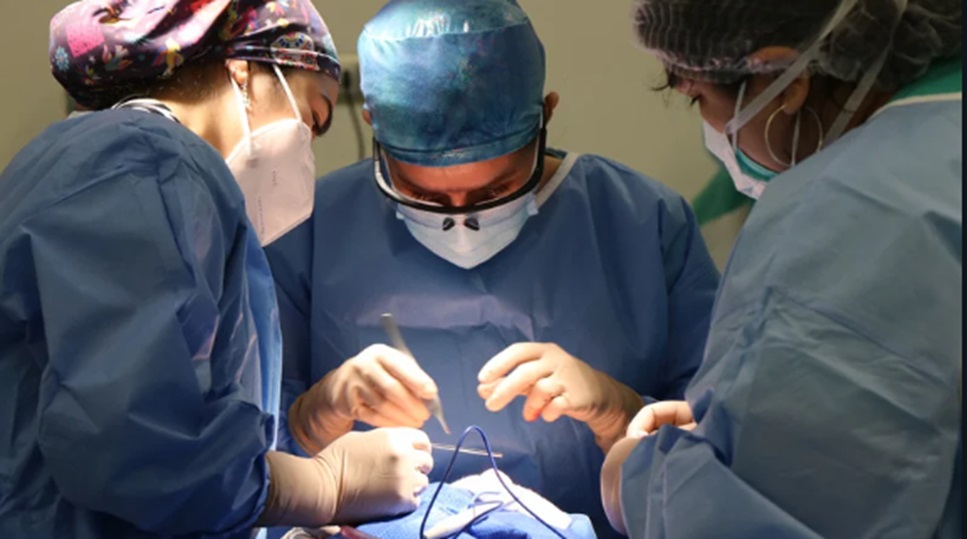
Gastric sleeve surgery is a widely sought-after option for individuals looking to achieve significant and sustainable weight loss. For many, gastric sleeve surgery in Tijuana, Mexico, offers a cost-effective solution with access to skilled surgeons and modern medical facilities. Understanding what to expect before, during, and after the procedure can help you make an informed decision and prepare for a smoother experience.
Preparing for the Procedure
Before surgery, patients undergo a detailed medical evaluation to ensure they are fit for the procedure. This includes lab work, physical examinations, and psychological assessments. These steps help identify any underlying health issues and ensure you’re mentally ready for the changes ahead.
A strict pre-operative diet is often required, focusing on high-protein, low-carbohydrate meals. This helps reduce liver size, making surgery safer and more effective. Patients are also advised to avoid smoking and alcohol and to stay hydrated in the days leading up to the procedure.
Understanding the Benefits
One of the primary reasons individuals choose this procedure is the broad range of health improvements it can offer. The benefits of gastric sleeve surgery extend far beyond weight loss. Patients often experience reduced symptoms or complete remission of obesity-related conditions such as type 2 diabetes, high blood pressure, and sleep apnea.
Unlike more invasive bariatric procedures, the gastric sleeve does not involve rerouting the intestines or implanting foreign devices. This simplicity results in fewer complications, quicker recovery, and long-term success when combined with proper lifestyle changes. It also positively impacts emotional well-being, boosting confidence and improving quality of life.
Recovery and Lifestyle Changes
Following surgery, most patients stay in the hospital for two to three days. During this time, medical staff closely monitor vital signs and assist with pain management. You will be started on a clear liquid diet before gradually transitioning to pureed and soft foods. Eventually, you will work your way back to regular meals, with a focus on portion control and nutrient-dense options.
Physical activity is encouraged shortly after surgery—usually walking—to promote circulation and aid healing. However, strenuous workouts should be avoided for several weeks. Sticking to dietary guidelines and attending follow-up appointments is critical in achieving and maintaining long-term weight loss.
As your health improves, you might begin to consider how weight loss could affect other life goals, such as family planning. For women, it’s important to understand whether pregnancy is affected after gastric sleeve surgery. Weight loss can improve fertility and regulate menstrual cycles, but most healthcare professionals recommend waiting 12 to 18 months after surgery before trying to conceive to ensure optimal health for both mother and baby.
Conclusion
Choosing gastric sleeve surgery in Tijuana, Mexico, is more than a medical decision—it’s a commitment to transforming your health and future. With the right preparation, professional guidance, and post-surgery support, patients can expect not only significant weight loss but also meaningful improvements in overall well-being. By understanding what lies ahead, you can step into this journey confidently and make lasting, positive changes in your life.