

One of the simplest solutions in many commercial zones and more modern residential suburbs is a flat roof. Still, it also conceals a hidden issue that many property owners do not anticipate. The pooled water on these structures after Utah’s monsoon summer thunderstorms or spring snowmelt is a moist breeding ground for moisture damage and uninvited guests.
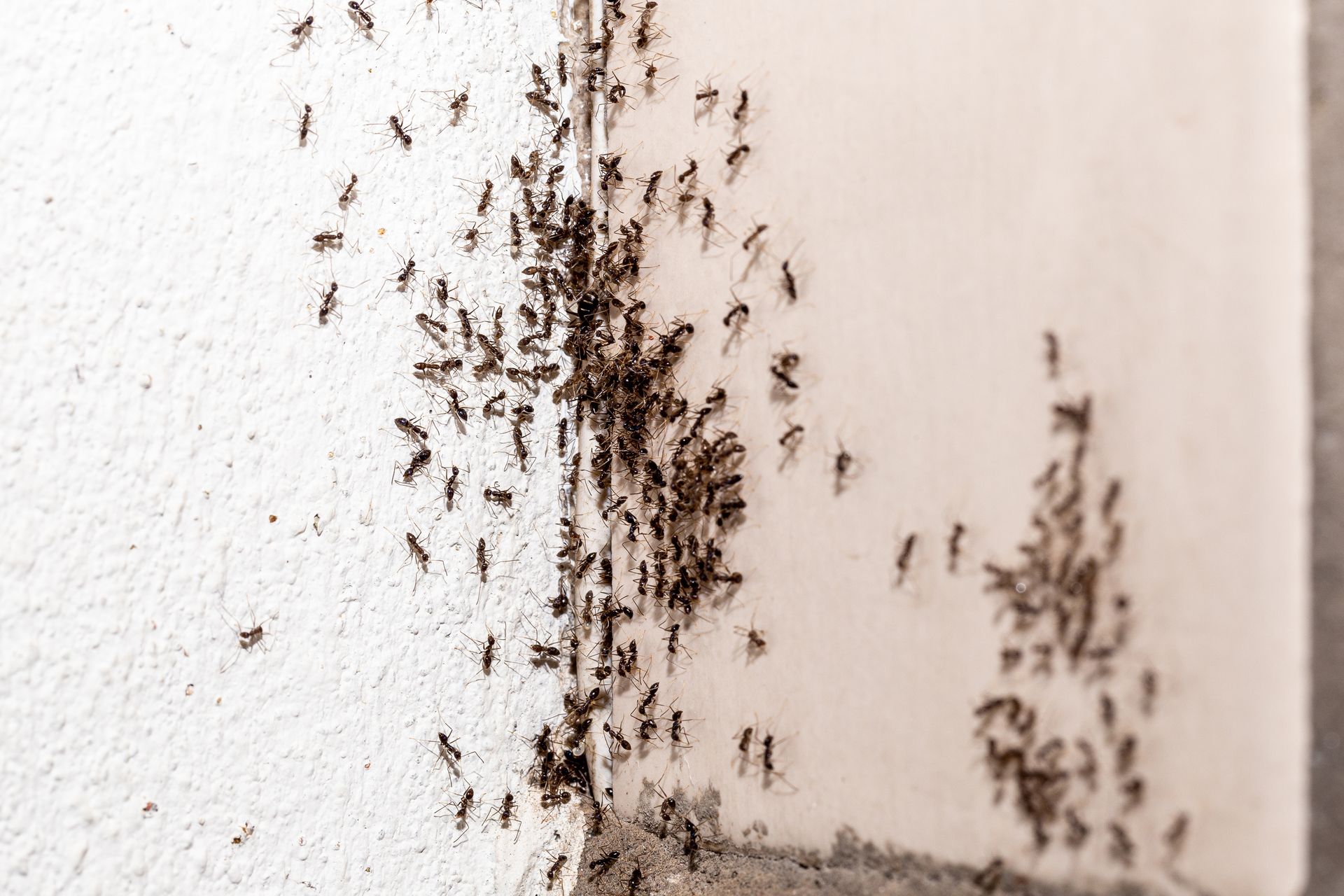
With Salt Lake City’s unique climate patterns and flat roof design, standing water will not merely sit there like a pretty picture. It seeps in, erodes materials, and rolls out the welcome mat for carpenter ants and moisture ants, ready for their new digs. Calling in professionals who know both roofing and pest behavior is a good idea if you notice soft spots on your roof or ant trails near your roofline. They will help you get rid of pests in Salt Lake City.
Why Flat Roof Designs Hold Moisture Longer in Salt Lake City
Salt Lake City has a high desert climate at about 4,226 feet (1,301 meters) in elevation, so we average about 20 inches of precipitation annually. Still, it is not evenly distributed throughout the year. In spring, heavy snowmelt occurs, while summer brings sudden afternoon thunderstorms that result in flooding throughout the year.
As their name suggests, flat roofs are not as good at shedding water as sloped roofs. Low spots can form even on a pitched roof, and puddles can sit there for days. Local building data indicates that around 30 % of commercial buildings in Salt Lake County have flat or low-slope roofing systems. That water sitting instead of draining works itself into every crack and seam, and Utah’s temperature swings, 30 degrees in a day, are not uncommon, meaning roofing materials expand and contract.
How Moisture Weakens Roof Materials and Opens Entry Points
As soon as roofing materials become waterlogged, erosion from the inside begins. Because it is a high-elevation area (we are closer to the sun), Salt Lake City receives intense UV exposure, which can take a toll on roofing products over time, making them brittle. Combine that with the constant moisture, and you have a perfect storm for decay.
The membrane, with wood decking beneath, begins to rot. Insulation fails when it is saturated with water. Adhesives fail, seams and flashing begin to separate. Such weakened areas form small holes and weak spots that turn into highways for pests. Carpenter ants have an innate ability to sniff out water-damaged wood. If the wood is already softened by rot, they do not have to work so hard to excavate their galleries; it is as if someone has done half the work for them.
Ant Species in SLC That Are Most Drawn to Damp Roof Areas
- Carpenter ants (Camponotus species) – Most of these ants are the big black ones you see (they can be as long as half an inch). Roofing termites will not feed on wood, but they will excavate extensive tunnel systems in rotting roof decking and support beams.
- Moisture ants (Lasius species) – These ants tend to be smaller, often yellowish-brown, and focus on very damp, water-damaged areas. They are a little more evident that there is a damp issue.
- Pavement ants – Even though they usually nest in crevices within concrete, they will work their way up into roofing structures if they find moisture and easy entry through ventilation spaces or crumbling flashing.
When Roofing Issues Need a Pest Pro on Speed Dial
When you notice ants working their way towards your roofline (which usually happens after heavy rain), you have a two-part issue that requires your immediate attention. While moisture in the foundation is the real problem here, an ant infestation can lead to structural damage as ants spread further into weakened material. Saela Pest Control has worked with Salt Lake City property owners for years and knows that ant infestations on the roof require a different approach than the common kitchen invasion.
