

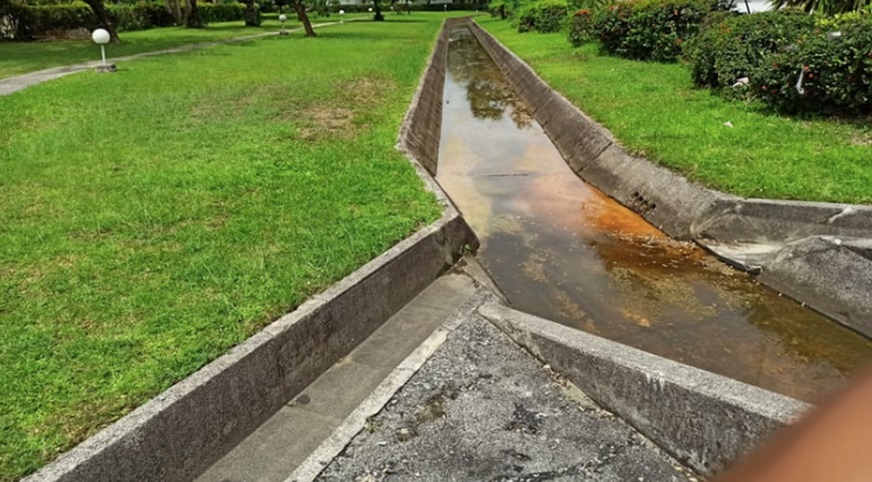
Building a new home is an exciting milestone, but it’s also the best time to plan for one of the most important yet often overlooked elements: proper drainage. Homeowners in regions with heavy rainfall or clay-heavy soil know how critical systems for residential drainage in Atlanta are in preserving the longevity and safety of a property. When designed from the start, an efficient drainage system can prevent water-related issues that often take years to reveal themselves.
Thoughtful planning during construction helps avoid problems like foundation cracks, basement flooding, or landscape erosion down the line.
Why Drainage Planning Starts Before the First Rain
Residential drainage isn’t something to “add later.” It must be considered at the blueprint stage. The slope of the land, positioning of downspouts, placement of paved surfaces, and grading around the foundation all determine how water will behave on your property.
Without a plan, water may collect in low spots, seep into the basement, or pool around landscaping features. In extreme cases, improper drainage can weaken structural integrity and lead to costly remediation work.
Builders and landscapers often work together to incorporate systems that not only handle water efficiently but also blend seamlessly with the home’s design. These may include French drains, sump pump systems, gravel trenches, or swales.
Recognizing and Addressing Drainage Vulnerabilities
Even in new homes, small oversights can lead to long-term drainage problems. These include poorly graded soil, gutters that discharge too close to the house, or compacted soil that doesn’t absorb water properly. Knowing the early warning signs can help prevent these issues from escalating.
Builders and homeowners alike benefit from learning top tips for residential drainage problems and how to address them, from properly routing downspouts to designing drainage systems that move water away from the foundation. These small adjustments can have a significant impact when implemented correctly during construction.
Protecting Your Landscape from the Start
New landscaping often comes with fresh sod, young trees, and garden beds, all of which need well-drained soil to thrive. Poor drainage can lead to oversaturation, which drowns plant roots and leaves lawns spongy and discolored.
Incorporating yard drainage into your overall site plan allows water to flow naturally while protecting soil structure and plant health. By installing the right system early, homeowners avoid water damage and reduce the need for future corrections.
The reason why residential drainage is key to maintaining a healthy lawn and garden, especially important when preparing soil beds and planting zones. Good drainage means better root growth, more stable soil, and fewer diseases linked to water retention.
Conclusion
Planning for drainage during new home construction is a smart investment that pays off for years to come. It prevents costly repairs, enhances property value, and supports a thriving landscape. By designing a system that fits your land’s natural contours and water flow patterns, you’re ensuring your home stands strong through every storm.
With the right planning, your new home will be more than just beautiful; it will be protected, practical, and ready to weather the elements from day one.
